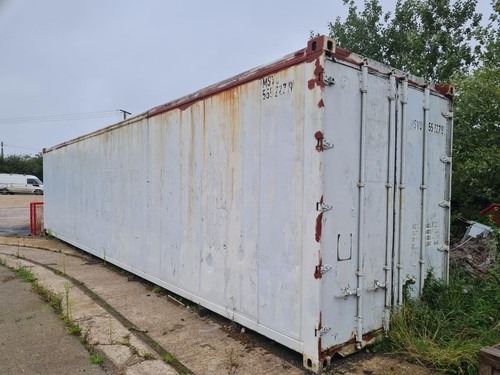
20 Things You Must Be Educated About Cargo Containers
The World of Cargo Containers: An Essential Component of Global Trade
Cargo containers have actually changed the landscape of international trade and shipping since their inception in the mid-20th century. With their standardization, durability, and ability to hold huge amounts of goods, shipping containers have become the foundation of international supply chains. This article will explore the various aspects of cargo containers, including their types, history, benefits, and the difficulties faced in their use.
A Brief History of Cargo Containers
The concept of containerization was originated by Malcom McLean in the 1950s. Prior to this innovation, goods were loaded and unloaded individually from ships, causing inefficiencies and increased expenses. McLean's concept was simple yet innovative: design a standardized container that could easily be transferred between different modes of transport, such as ships, trucks, and trains. This led to the first container ship voyage in 1956 from Newark, New Jersey to Houston, Texas.
Given that then, container shipping has actually experienced rapid growth. According to the United Nations Conference on Trade and Development (UNCTAD), the overall volume of containers shipped worldwide has actually increased from around 5 million TEUs (Twenty-foot Equivalent Units) in 1980 to roughly 200 million TEUs in 2020. This extensive adoption of standard-sized containers has actually facilitated trade on an extraordinary scale.
Types of Cargo Containers
Cargo containers can be found in various types, each designed for particular functions. Below is a table summing up the most typical kinds of containers:
Container Type
Description
Requirement Dry Container
The most common type, used for basic cargo. Offered in 20ft and 40ft sizes.
Refrigerated Container
Insulated and geared up with a cooling system to transport perishable items. Available in numerous sizes.
Flat Rack Container
Developed for oversized cargo that can not fit into standard containers, such as equipment or cars.
Open Top Container
Similar to standard containers but with an open top, permitting packing tall products.
Tank Container
Cylindrical tanks used for carrying liquids and gases.
Bulk Container
Designed for bulk cargo such as grains, coal, and minerals.
High Cube Container
Taller than standard containers, offering additional area for light, voluminous cargo.
Benefits of Using Cargo Containers
Using cargo containers provides numerous advantages to carriers, manufacturers, and customers alike. Here are some key benefits:
Increased Efficiency: Containers can be packed and unloaded quickly using cranes and other machinery, minimizing turn-around times for ships and decreasing hold-ups in transit.
Standardization: With standardized dimensions, containers can be easily moved between various modes of transport, facilitating smooth logistics.
Security and Protection: Cargo containers are designed to stand up to extreme weather condition, tampering, and theft. They provide a protected environment to secure items throughout transit.
Economical: Container shipping tends to be more cost-effective than other kinds of transport due to lowered labor expenses and increased cargo capability on ships.
Intermodal Connectivity: Containers can be quickly carried by truck, rail, and ship, supplying versatility in logistics and decreasing expenses.
Environmental Sustainability: Containerization minimizes the carbon footprint of transferring goods by making the most of cargo capacity while minimizing fuel usage per system carried.
Challenges in Cargo Container Use
While cargo containers have significantly structured international trade, they likewise present special obstacles that the industry need to attend to:
Container Shortages: Fluctuations in supply and need can lead to scarcities, triggering hold-ups and increased expenses.
Ineffectiveness in Container Movement: Containers often become stranded in ports or warehouses due to inadequate infrastructure or bad logistics management.
Environmental Impact: Despite being more efficient than older shipping approaches, the container shipping industry still contributes to carbon emissions and marine contamination.
Security Issues: While containers are safe and secure, the danger of smuggling and illegal activities stays an issue, requiring thorough oversight and examinations.
Future Trends in Cargo Containers
The future of cargo containers is most likely to be formed by technological developments and industry innovations. Here are some patterns to see:
Automation: Automated cranes and autonomous cars are ending up being significantly typical in ports, improving efficiency and decreasing labor expenses.
Digitalization: The usage of blockchain innovation for tracking container motions and improving transparency is expected to change supply chain management.
Eco-Friendly Containers: Emerging trends include developing biodegradable shipping products and eco-efficient containers that reduce environmental impacts.
Smart Containers: The integration of IoT sensors in containers enables for real-time tracking and monitoring of cargo conditions, enhancing security and minimizing losses.
Often Asked Questions (FAQ)
1. What is the standard size of a cargo container?
- The most typical container sizes are 20ft and 40ft long, with a width of 8ft and a height of 8.5 ft (or 9.5 feet for High Cube containers).
2. How are cargo containers transported?
- Cargo containers can be moved using ships, trucks, and trains. They are designed for easy transfer in between these modes of transport, assisting in intermodal logistics.
3. What kinds of products can be transferred in cargo containers?
- Containers can transport almost any kind of cargo, including perishables, equipment, consumer goods, and raw products, depending on the container type used.
4. Are cargo containers ecologically friendly?
- Container shipping is generally more environmentally friendly compared to other transport techniques due to its effectiveness. However, the industry still faces difficulties relating to emissions and contamination.
5. What is Shipping Container Housing ?
- TEU means Twenty-foot Equivalent Unit, which is a basic measure used to describe container capacity. One TEU amounts to one 20ft container.
Cargo containers are vital to the functioning of the worldwide economy, allowing countries to trade efficiently and effectively. As the industry develops, accepting technological developments and pursuing sustainability will be crucial for meeting the needs of future trade. Comprehending the complexities of cargo containers is essential for anybody included in logistics, transport, or worldwide trade and will contribute to browsing the challenges and opportunities of an interconnected world.